Housed in an 1883 firehouse, we honor the brave men and women who answered the call — and the rich fire service heritage of our community.
Scroll
Housed in an 1883 firehouse, we honor the brave men and women who answered the call — and the rich fire service heritage of our community.
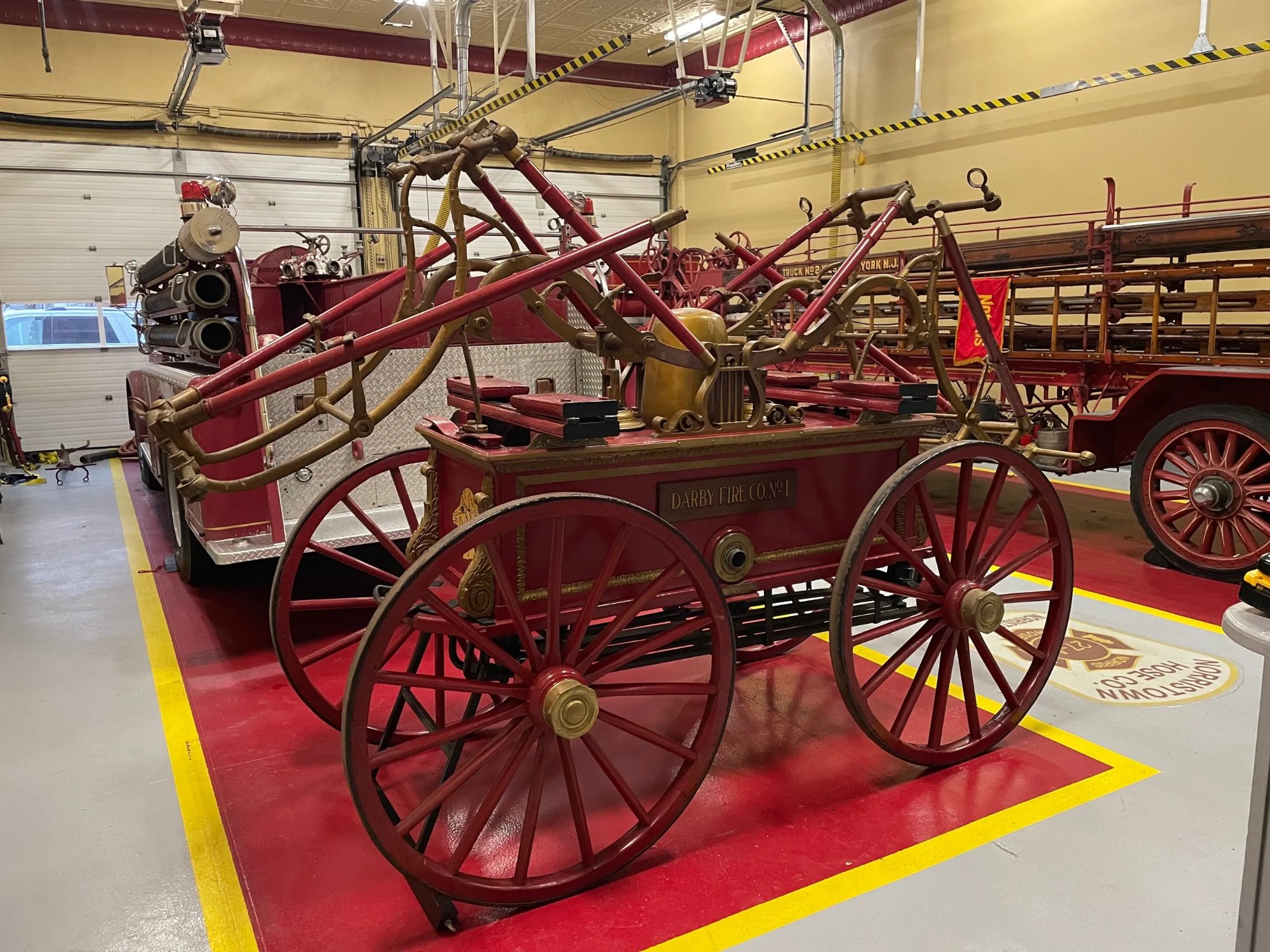
The BC John Magrann Fire Museum is dedicated to preserving the rich firefighting heritage of the greater Philadelphia region from inside a historic 1883 firehouse at the corner of DeKalb and Chestnut Streets in Norristown, Pennsylvania.
Our collection spans nearly two centuries of fire service history — from hand-drawn hose carts and horse-drawn steam engines to motorized apparatus. We believe that by allowing people to get their hands on history, we can foster a deeper appreciation for the past and inspire the next generation to value and protect our heritage.
Whether you're a history enthusiast, a firefighter, or a curious visitor, we invite you to walk through the same doors that firefighters have passed through since 1883.
On February 22, 1848, the Norristown Hose Company received its charter. The first meetings were held in the homes of its members. By the end of that year, the company purchased a lot at 417 DeKalb Street and constructed their first firehouse. They also acquired their first hose cart, affectionately dubbed "The Crab."
The corner lot at DeKalb and Chestnut Streets was purchased and a new, larger firehouse was commissioned — the same building that stands today as the museum. The building would be dedicated on September 15, 1883.
The new firehouse at DeKalb and Chestnut was formally dedicated on September 15, 1883. Over the following decades, the company operated horse-drawn apparatus and later a powerful Amoskeag steam pumper — first pulled by hand, then by horses.
In December 1917, the Norristown Hose Company purchased its first completely motorized vehicle, ushering in a new era. Throughout the 20th century, the fleet grew to include a Simplex, an Ahrens-Fox, and a Hale Pumper.
On October 28, 1954, a chemical tank exploded at the Charles W. Berg Laboratories in Philadelphia. Battalion Chief John Magrann was among the firefighters who made the ultimate sacrifice that day — a loss that would lead to the creation of the Philadelphia Hero Scholarship Fund.
Named in honor of Battalion Chief John F. Magrann, the museum today operates from the original 1883 firehouse — preserving apparatus, artifacts, and the stories of those who served. The mission continues: to educate, to remember, and to inspire.
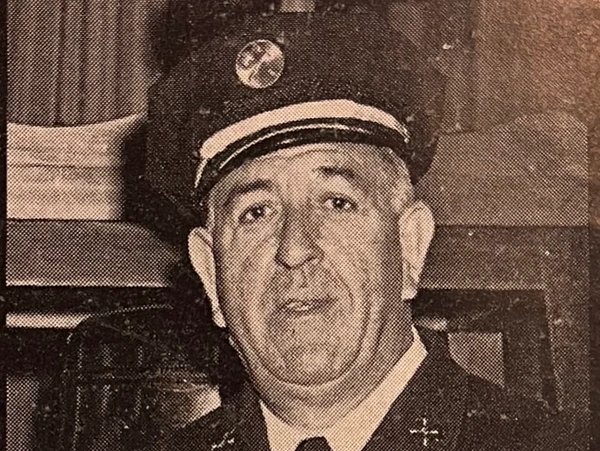
Battalion Chief John F. Magrann devoted over three decades to the Philadelphia Fire Department, rising through the ranks from hoseman to one of the department's most respected leaders. His career is a testament to the courage and dedication that define the fire service.
On October 28, 1954, Chief Magrann responded to reports of chemical fumes at the Charles W. Berg Laboratories at 5th and Berks Streets in North Philadelphia. A 4,000-gallon chemical tank exploded without warning, claiming the lives of Chief Magrann and his fellow firefighters. He was among the first to arrive on scene.
The tragedy — one of the deadliest in Philadelphia Fire Department history — left 25 children without their fathers and led directly to the creation of the Philadelphia Hero Scholarship Fund, which continues to support the families of fallen first responders to this day.
At 6:07 AM, firefighters from Engine 2, Ladder 3, and Battalion 6 responded to reports of chemical fumes at 1827–29 North 5th Street. Minutes later, a 4,000-gallon chemical tank exploded without warning — and eleven members of the Philadelphia Fire Department would ultimately lose their lives.
Their sacrifice led to the establishment of the Philadelphia Hero Scholarship Fund, providing educational support to the children of firefighters and police officers killed in the line of duty.
We create interactive, hands-on experiences that connect visitors of all ages to the history of firefighting — teaching the science, the bravery, and the evolution of the fire service from the 1800s to the present.
From vintage fire apparatus and Amoskeag steam engines to uniforms, photographs, and alarm systems — we restore, protect, and display the artifacts that tell the story of our fire service heritage.
The museum is more than a building — it's a gathering place for current and former firefighters, their families, and the communities they serve. We honor the bonds forged in service.
Your generous contribution directly supports the restoration of historic fire apparatus, the preservation of irreplaceable artifacts, and the educational programs that bring fire service history to life for future generations.
The BC John Magrann Fire Museum operates from a building that has stood since 1883. Every dollar you give helps ensure this landmark — and the stories it holds — will endure for decades to come.
Every gift — of any size — moves our mission forward.
Whether you can give a few hours a month or dedicate a regular schedule, there's a place for you at the museum. No prior experience is needed — just a passion for history and community.
Lead visitors through our exhibits and share the stories behind the artifacts.
Help restore and maintain historic fire apparatus and building features.
Catalog photos, documents, and memorabilia to build our digital archive.
Help organize community events, fundraisers, and educational programs.